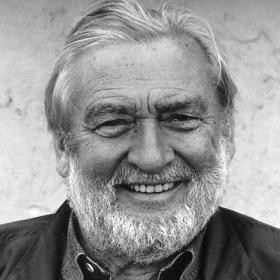
Panton, Verner

Items 1-15 van 41

Pagina
sort-descending
Wever & Ducré Wiro 3.8 Shade Black steel Technische Accessoires zwart-1
Speciale prijs € 322,78 Reguliere prijs € 358,64
Wever & Ducré Wiro Globe 4.0 Shade Technische Accessoires zwart-1
Speciale prijs € 236,75 Reguliere prijs € 263,05
Thumbnail
€ 240,79
Thumbnail
€ 143,99
Wever & Ducré Wiro 3.8 Shade Rust steel Technische Accessoires brons-1
Speciale prijs € 322,78 Reguliere prijs € 358,64
Aromas A1053/10  Technische Accessoires zwart-1
€ 76,23
Aromas A1053/5 Technische Accessoires zwart-1
€ 66,55
Artemide Tolomeo Mega kap 32cm Technische Accessoires zwart-1
Speciale prijs € 153,00 Reguliere prijs € 170,01
Artemide Tolomeo Mega/Decentrata kap 42cm Technische Accessoires zwart-1
Speciale prijs € 216,01 Reguliere prijs € 240,00
Artemide Tolomeo Mega kap 52cm Technische Accessoires zwart-1
Speciale prijs € 234,00 Reguliere prijs € 260,00
Artemide Tolomeo Mega kap 36cm Technische Accessoires zwart-1
Speciale prijs € 193,50 Reguliere prijs € 215,00
Thumbnail
€ 163,35
Ferm Living Cone Shade  Technische Accessoires lichtgrijs-1
€ 143,99
Thumbnail
€ 76,23
Thumbnail
€ 93,17

Items 1-15 van 41

Pagina
sort-descending
Panton, Verner

Panton, Verner

Panton was trained as an architectural engineer in Odense; next, he studied architecture at the Royal Danish Academy of Art (Det Kongelige Danske Kunstakademi) in Copenhagen, graduating in 1951. During the first two years of his career, 1950–1952, he worked at the architectural practice of Arne Jacobsen, another Danish architect and furniture designer.

Panton turned out to be an 'enfant terrible' and he started his own design and architectural office. He became well known for his innovative architectural proposals, including a collapsible house (1955), the Cardboard House and the Plastic House (1960). Near the end of the 1950s, his chair designs became more and more unconventional, with no legs or discernible back. In 1960 Panton was the designer of the very first single-form injection-moulded plastic chair. The Stacking chair or S chair, became his most famous and mass-produced design.